Spark Series: Community Design Thinking
Design Thinking Equity Program DesignSpark was a healthcare design-thinking events series facilitated by Island Health's Innovation Lab that took place in communities around Vancouver Island.
Design Thinking in Community
Real problems don't fit inside an organization's walls.
The SPARK Series launched in 2023 as a portable, community-facing extension of the Innovation Lab's design-thinking methodology. The concept was simple: rather than inviting communities to come to the health system, I brought the Lab's tools and facilitation capacity to the places where the problems lived. Two events ran in Nanaimo. A third was fully planned and ready to run when it was cancelled. Each step in that arc offered insights that I carried forward.
The format was built for complexity. Each SPARK ran across structured sessions using a design-thinking framework anchored in the "What? So What? Now What?" reflective model. Shared context first, then ideation, then prototyping, and presentations with named next steps. The design sprints were intended to be inclusive and diverse with clinicians alongside community workers, researchers alongside peers with lived experience, post-secondary partners, municipal voices, and frontline service organizations all at the same tables.
“Rather than tackling problems in the Innovation Lab or at Code Hack, we’re bringing the Lab’s design-thinking process into communities to explore opportunities with the people who are affected by, and who can most benefit from, potential solutions.” Matthew Miller, Island Health News, 2024
Source: Spark Nanaimo Report
Spark 1.0: Nanaimo and the Toxic Drug Supply Crisis
Statistics from the Spark Nanaimo Report
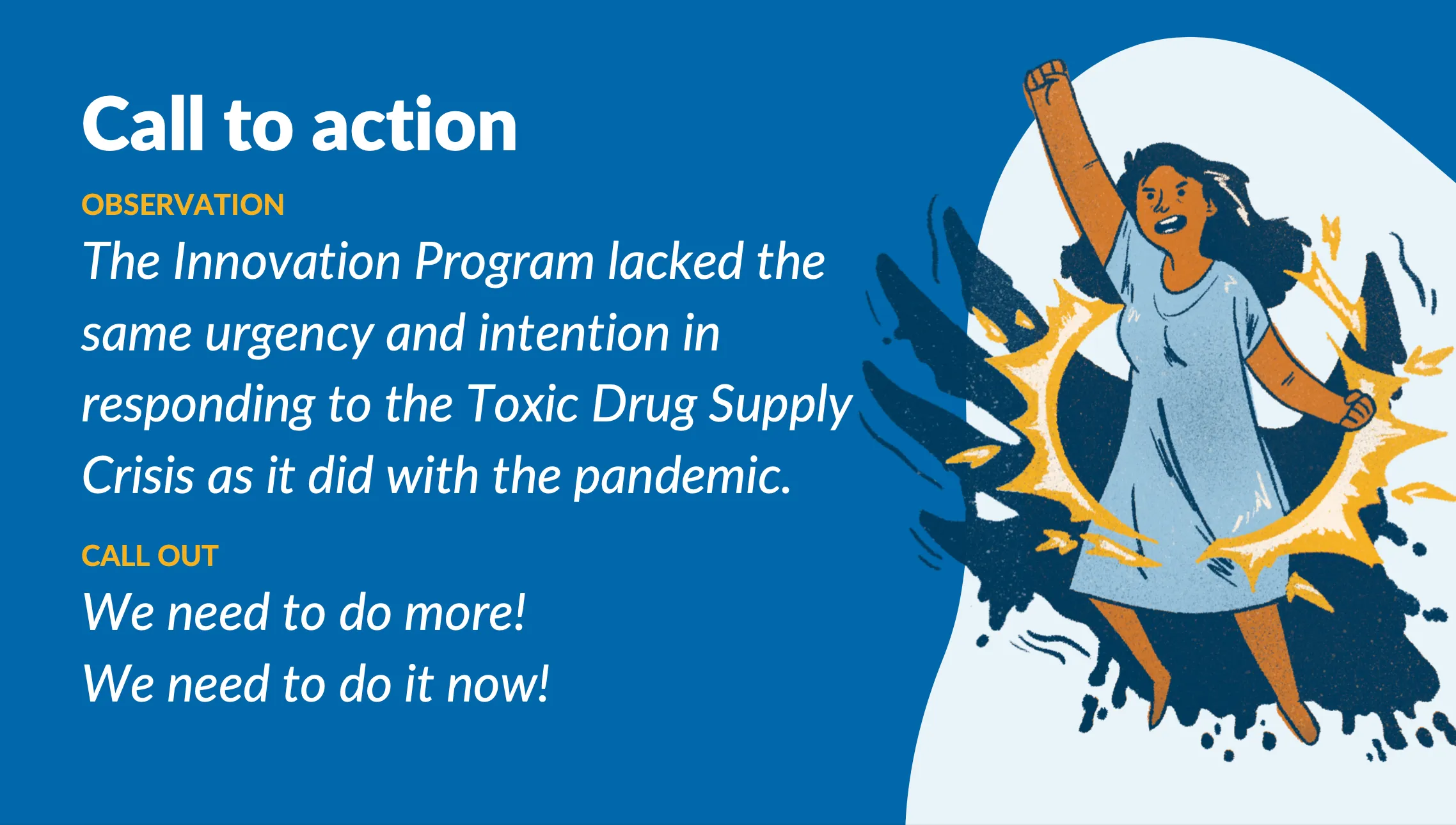
Call to actionIn spring 2023, a senior colleague raised concern that the health authority's innovation response to the toxic drug supply crisis lacked the same urgency it had brought to COVID-19.
At that time, BC was recording approximately seven overdose deaths per day. Nanaimo's rate of increase was 1.7 times the provincial baseline. Nanaimo's Medical Health Officer (MHO) position was vacant. BC's Chief Coroner had resigned.
Spark Nanaimo was one of at least 6 interventions
Crisis ResponseThe SPARK series was my immediate response to the call to action. Within months, SPARK Nanaimo was designed alongside people with lived and living experience (PWLLE), funded from my budget, and scheduled in partnership with researchers at Vancouver Island University (VIU).
Partners for Spark 1.0 included the Mental Health & Substance Use (MHSU) department
Three crisis areas across Nanaimo
Bringing Diverse Minds Together
Thirty participants gathered at Vancouver Island University over two days: Island Health staff, community organizations, researchers, a city councillor, a post-secondary partner, and people with lived and living experience (PWLLE) of the toxic drug crisis.
Gathering those participants and planners around the same tables quickly, and structuring the environment so the sessions were psychologically safe, culturally safe, and physically safe, required more planning than most events expect, especially considering the stigma around the topic and the animosity that existed between some of the groups that were attending.
There were also at least three internal work cultures involved on the planning side: my Innovation Lab team with domain expertise in design thinking, design, and building; a Research team with domain expertise in a different set of principles and methodologies; and a Mental Health and Substance Use team with relationships in the local community. As a result, the planning process was too fast for some and not fast enough for others.
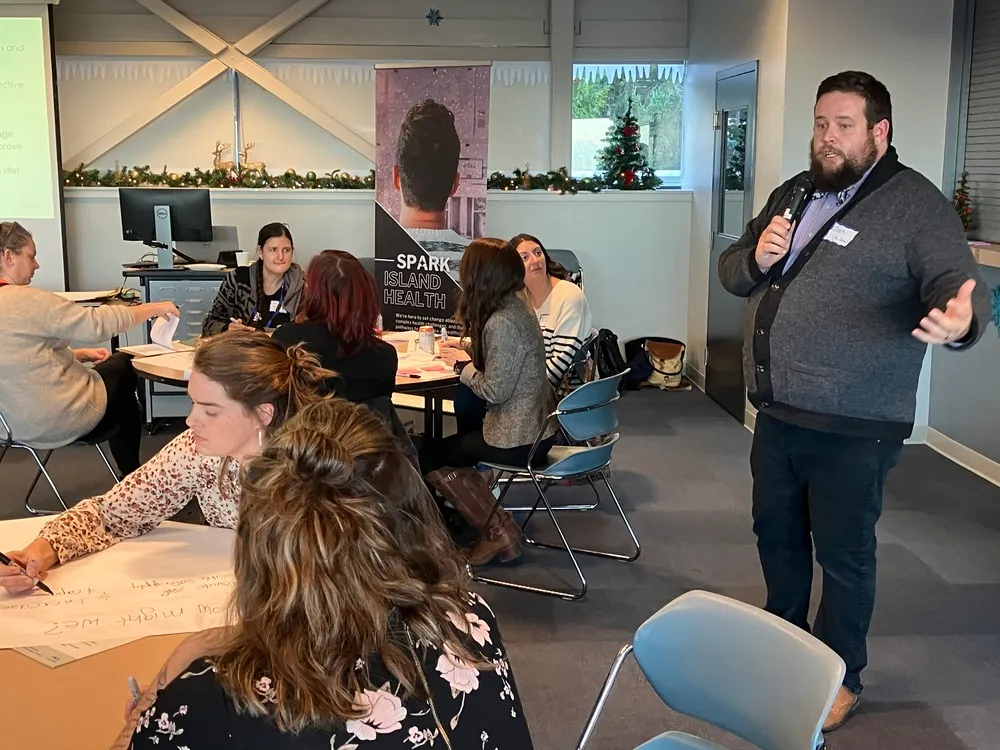
Participants at the Spark Series, Nanaimo.
Learning Out Loud
To ensure a good pace and to respond in the spirit of the call to action, I contracted the Pivot Group, co-design facilitation experts, to plan and run the event alongside our planners. And because my team was not yet at full capacity, this provided me with an opportunity to train them in real time and prepare them to run future Sparks as more team members onboarded.
During the planning phase we asked participants what they were expecting:
- Facilitate open, transparent communication
- Engage in brainstorming where creative and feasible ideas are encouraged
- Acknowledge diversity of expressed thoughts
- Feel heard and valued
- Don’t reinvent the wheel
- Cultivate humility to change who we are and do
- Appreciate and foster culture of questioning and fierce curiosity
- Share results
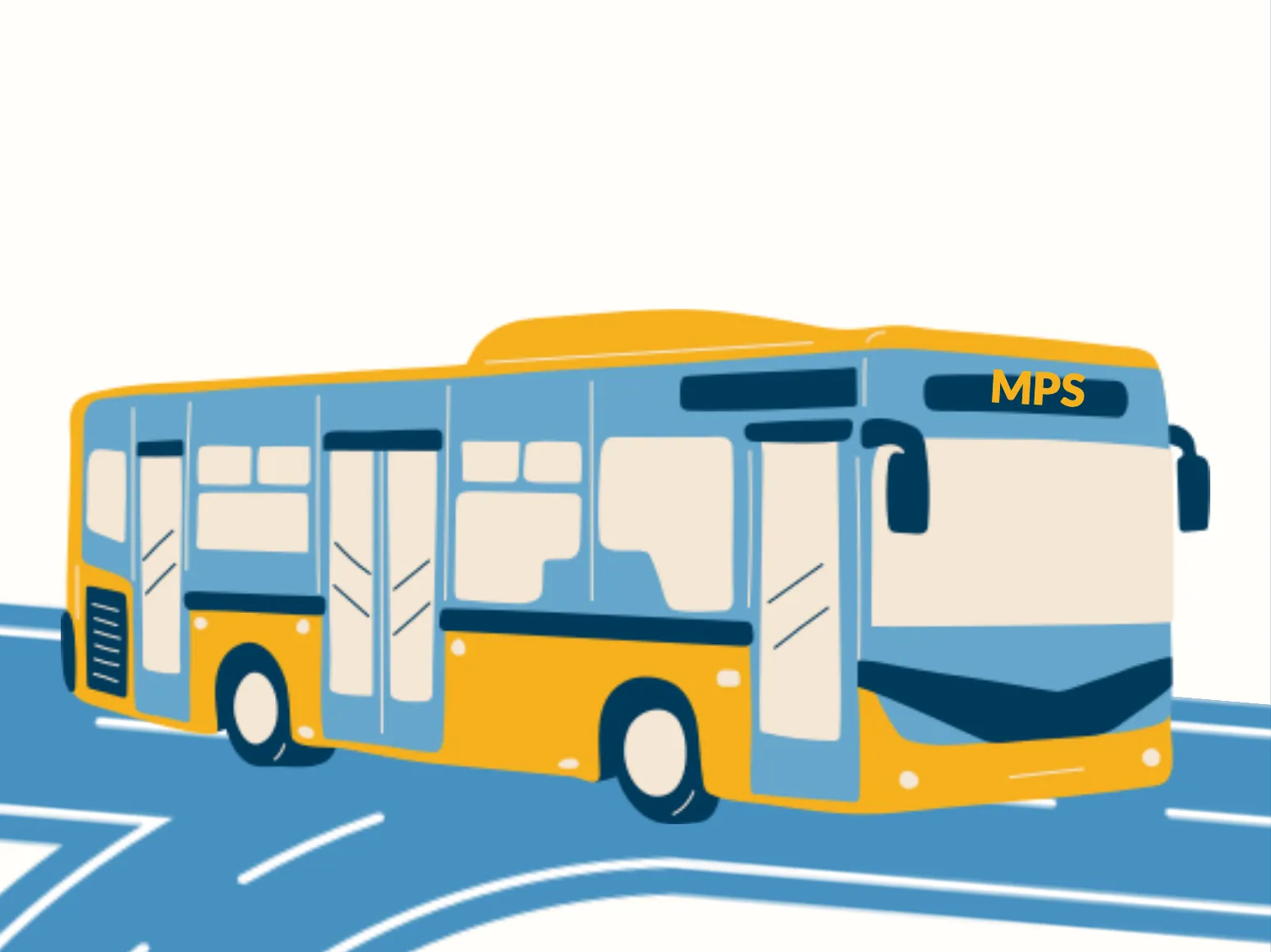
Prototypes included a mobile peer support bus bringing services directly into the three communities based on priority needs.
Rapid Design Prototype Results
At the end of two days, three groups presented their prototypes which were framed by the How Might We question format for design thinking sessions:
- Mobile Peer Services, wondered: How might we create Island Health Initiatives with emergency departments to provide safe and effective overdose care? Their answer was a low-barrier mobile care unit designed around the three highest-concentration areas in Nanaimo.
- PUNK (Peer United Network of Knowledge) asked: How might we provide a safe and accessible drug supply and increase access and capacity to current resources? The result was a peer-led support and consulting model.
- Bridge the Influencers explored: How might we arm influencers and decision makers with peer connections, stories, and data to create a cohesive community message for top priorities for change? This led to prototyping a strategy to connect and draw community members into their mission.
Ninety-three per cent of respondents said they would attend a future SPARK event. Spark Supplemental Report
Spark 2.0: Nanaimo
Invitation to Spark Nanaimo 2.0
Spark returned to Nanaimo in September 2024 with sixty participants, approximately double the size of the first event. My team had grown and no external consultants were required this time. Based on survey feedback and further consultations, we shifted the format to a single day with a World Café structure: participants upvoted topics over lunch, rotated through discussion tables, and reported out at the end. The agenda included updates from the new Medical Health Officer, addiction and mental health services leadership, and the teams who had carried the three concepts forward since the first event.
Spark events don't end provincial health emergencies. But I watched the format do something harder: it visibly reduced the animosity between community members and how certain Island Health departments were seen in the room. As one participant remarked, they "came in with some rage and frustration at the situation – and now I feel a little more optimistic after going through the process. It's been helpful."
The event was featured on page 53 of Island Health's 2024 Annual Report.
Spark ALC: Alternate Levels of Care
By spring 2025, SPARK had attracted interest beyond Island Health. The BC Ministry of Health Innovation Branch approached the Innovation Lab to host a SPARK event at Royal Jubilee Hospital focused on Alternate Levels of Care.
Invitation to Spark ALC
Ministry PartnershipALC, as it is known, marks the moment when a patient no longer needs the intensity of hospital care, but the next step in their journey has yet to begin. In these in-between spaces, people wait, often in beds needed by others, while families and the system carries the strain. Every hospital system in the world faces this situation.
The Ministry approached me because they had difficulty finding a hospital to work with directly. Like the toxic drug supply work, the goal wasn't to solve ALC. It was to design testable possibilities with the people living inside the problem. Since both teams were based on Vancouver Island, we agreed to host the event in the Innovation Lab at the Royal Jubilee Hospital.
Spark ALC was fully sketched out in a matter of weeks thanks to several design thinking sessions held with the Ministry over Teams. Unlike the first two in-person events held over one or two days, we scheduled six days of structured design sessions across two weeks, with in-person and hybrid participation options for anyone wishing to join remotely from anywhere in the province.
Spark ALC invitation details
DynamicsWith dates confirmed and invitations drafted, approved, and ready to send out, the event was shut down before it could begin. Strategies for providing alternate levels of care vary from region to region, and it's a contested topic, which is why my Ministry colleagues had difficulty finding partners willing to co-design possibilities. But that is what made the Innovation Lab and the Spark series work. They worked in the spaces the rest of the system avoided. While I was unable to access the table where the shut down decision was made, I had watched healthcare dynamics long enough to read what was happening.
The topic of this event could have been brought to Code Hack without a second thought. Code Hack tackled complex problems from inside the system. Spark ALC was designed to work from the outside in. Spark ALC had a singular intended outcome, and a genuine partner in the BC Ministry of Health to pursue it: co-designing with patients, families, and front-line staff living inside the ALC problem, not just managing it from the outside. In a large system, that distinction doesn't always travel cleanly up the chain. Decisions got made about the program without the program in the room.
Spark 1.0 ran in Nanaimo with thirty people.
Spark 2.0 doubled in participant size.
Spark ALC was cancelled before the invitations went out.
This is what growth looks like when a program is cancelled before it peaks.
What Wicked Problems Teach
Design thinking is about falling in love with the problem others might just be avoiding.
What Worked
- Broken communities can grow stronger. Spark 1.0 in Nanaimo, turned "feelings of rage" experienced by some, into feelings of hope. At the second Spark, I saw that animosity disappear.
- Values under pressure. Our team embraced the organization's core brand values of courage, aspire, respect, and empathy. Those values were required from each of us as we walked into communities in crisis.
- When co-design works, it unsettles things. The final Spark event was cancelled from within the organization, not by the community it was built to serve. That distinction matters. When co-design works, it challenges the structures around it, even when the outcome is clearly beneficial. Cancellation wasn't the measure of the work's weight. The innovation culture built across Code Hack and the Innovation Lab outlasted the program. That kind of change is harder to see and harder to kill.
What It Taught
- Design thinking is a starting point, not a finish line. These problems span institutions, histories, and systems no single event can shift. Spark put people in the same room who'd never worked together before, named the problem publicly, and handed groups a set of next steps they'd designed themselves. The forces working against that are real. The culture it built outlasted the program.
- The system can change. At the first Spark, it was onerous to obtain cash honoraria for peers. For those without bank accounts, cash is the only way they can accept payment. Why make the process more difficult by default? Before the second event, I worked with the Finance department to ensure cash payments for peers would be the default going forward.
- Big problems are often made harder by smaller ones that go unaddressed. The cash honoraria process is one example. Don't skip those.